

A dependable IFAK can make a major difference during demanding situations where quick medical response matters most. Battle belt setups are designed for mobility and efficiency, so choosing the right emergency kit helps improve readiness, organization, and confidence. A well-planned IFAK should remain compact while still carrying the most practical medical essentials for immediate care.
Prioritize Fast Accessibility
Easy access is one of the most important features in a battle belt IFAK. Emergency supplies should be reachable without slowing movement or causing confusion.
Key accessibility features include:
- Pull tabs for rapid opening
- Clear internal organization
- Ambidextrous access options
- Secure but simple retention systems
- Lightweight pouch construction
- Smooth zipper or quick-release designs
A streamlined setup allows users to locate medical tools quickly under pressure.
Focus On Compact yet Efficient Storage
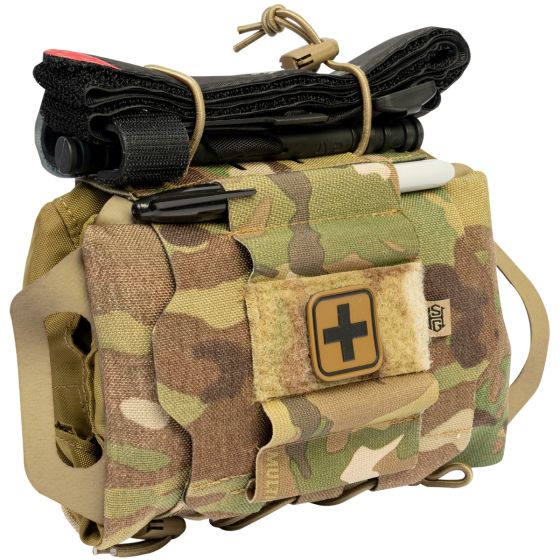
A battle belt should remain balanced and comfortable. Oversized medical pouches can reduce mobility and create unnecessary bulk. Compact IFAK options help maintain flexibility while still carrying critical supplies.
Helpful storage ideas include:
- Separate compartments for essential items
- Elastic loops to hold supplies in place
- Fold-out panels for faster visibility
- Slim pouch profiles for comfort
- Space-saving medical packaging
Efficient storage reduces clutter and helps improve response speed during emergencies.
Essential Medical Supplies to Include
Reliable IFAK options should contain practical battle belt ifak emergency items that support immediate treatment needs. The goal is to prepare for common injuries while keeping the load manageable.
Recommended essentials often include:
- Trauma bandages
- Protective gloves
- Compression dressings
- Medical tape
- Sterile gauze pads
- Emergency shears
- Chest seals
- Tourniquets
- Airway support tools
- Antiseptic wipes
Carefully selected contents create a balanced kit suitable for rapid emergency response.
Durable Materials Improve Reliability
Battle belt equipment may experience rough handling, repeated movement, and changing outdoor conditions. Strong materials improve long-term reliability and help protect medical supplies from damage.
Important durability features include:
- Reinforced stitching
- Water-resistant fabric
- Strong buckle systems
- Abrasion-resistant surfaces
- Secure mounting attachments
- Heavy-duty zipper construction
Reliable construction keeps medical gear protected and ready for use whenever needed.
Proper Placement Matters
Where the IFAK sits on the battle belt can greatly affect comfort and accessibility. A poorly placed pouch may interfere with movement or other equipment.
Good placement strategies include:
- Positioning the pouch within easy reach
- Avoiding interference with seated movement
- Balancing weight across the belt
- Leaving room for essential gear access
- Testing movement before final setup
A properly positioned IFAK improves efficiency during active situations.
Regular Maintenance Keeps Kits Ready
Even the best emergency setup requires routine inspection. Medical supplies should remain clean, organized, and fully stocked at all times.
Helpful maintenance habits include:
- Checking expiration dates regularly
- Replacing used supplies immediately
- Inspecting straps and zippers
- Keeping items dry and sealed
- Reviewing pouch organization frequently
Consistent maintenance helps ensure dependable performance when emergencies arise.
Reliable IFAK options for battle belt emergency use should combine durability, accessibility, organization, and comfort. A carefully arranged setup supports quicker response times while maintaining mobility and efficiency. Compact designs, strong materials, and practical medical supplies all contribute to a dependable emergency system that remains ready for challenging situations.